
Hair loss & transplants
Hair loss
If you are losing your hair, you are far from alone. It is a common condition, and it can be discouraging and frustrating all the same. The causes are many and vary from one person to the next. Sometimes the loss is temporary, brought on by hormonal changes or a change in circumstances. Sometimes it points to an underlying medical condition that needs looking at properly.
What is alopecia?
You may have come across the word alopecia without being sure what it covers. It is simply the medical term for hair loss. People with alopecia may lose hair in handfuls, or lose it entirely, on the scalp or elsewhere on the body. There are several types, several degrees of severity and several different causes.
Alopecia — definition, causes, symptoms, treatment
Alopecia is the general term for hair becoming thinner or falling out. It affects both men and women, though it tends to be more pronounced in men. By far the most common form is androgenetic alopecia, which is genetic and hormonal in origin. Hair loss can also follow illness, a nutritional deficiency, a period of significant stress or certain medications — which is why the cause needs to be established before anything is treated.
What causes alopecia
Hair loss is something a great many people live with, and it is not always straightforward to work out which cause is behind it. Below are the main ones, so that you can understand the problem and find the approach that fits your case. Hair loss may be hereditary, hormonal, or brought on by stress or illness.
Genetic factors
Heredity is the most frequent cause. If a parent has lost hair, there is a real chance of the same pattern appearing in you. Ageing plays a part alongside it.
Significant stress
A period of intense stress can push a large number of hairs into the shedding phase at once. The loss usually appears some weeks after the event itself, and is often reversible once the cause has passed.
Medication
Some medicines can cause hair loss — among others, certain treatments for high blood pressure, for asthma and for diabetes. If you take regular medication, it is worth mentioning it at the consultation.
Alopecia: what can be done
Alopecia affects millions of people worldwide. It may follow a hormonal imbalance or a more significant health problem. If you are affected, you will know how hard it can be to find something that works. There are, however, a number of medical and cosmetic options.
Oral treatment
Oral treatment remains the most widely used approach to alopecia, and it is straightforward to follow. It does not work in every case: restoring density to the point where the hair no longer looks thin is not always achievable.
Topical treatment
For a topical treatment to work, it has to be applied across the whole of the affected area and used consistently over time.
Effective treatments do exist
Alopecia is common, and there are several different treatments that can restore fuller, healthier hair.
Getting the cause assessed by a doctor is the starting point for any of them.
In summary
Hair loss is very common and its causes are varied: hormones, stress, medication, illness or simply age. There are a number of ways to address it and to keep the scalp in good condition. Whether the answer is a medical treatment or a change in habits, the sensible first step is a consultation, so that the approach fits your particular case.
What to know before you decide.
Why am I losing my hair?
Hair loss can have many causes: stress, genetics, an unbalanced diet, hormones, conditions affecting the scalp, medication and harsh hair treatments. Identifying the underlying cause is what makes it possible to choose the right treatment.
How can I prevent hair loss?
There are several things that help: a healthy, balanced diet, reducing stress, avoiding tight hairstyles, protecting the hair from heat damage, using gentle hair products and avoiding harsh chemicals.
Is hair loss hereditary?
Yes, hair loss can be hereditary. The genes involved pass from one generation to the next and can cause hair loss in both men and women.
Are there effective treatments for hair loss?
Yes — prescription medication, topical treatments, scalp injections and hair transplants. Which of them is appropriate depends on the cause, which is why it is worth having it assessed by a doctor.
Is hair loss reversible?
That depends on the underlying cause. Where the cause is temporary — an illness or a medication — the hair often grows back once the cause has been treated or the medication stopped. Where the cause is genetic or permanent, as with ageing, the loss may be permanent.
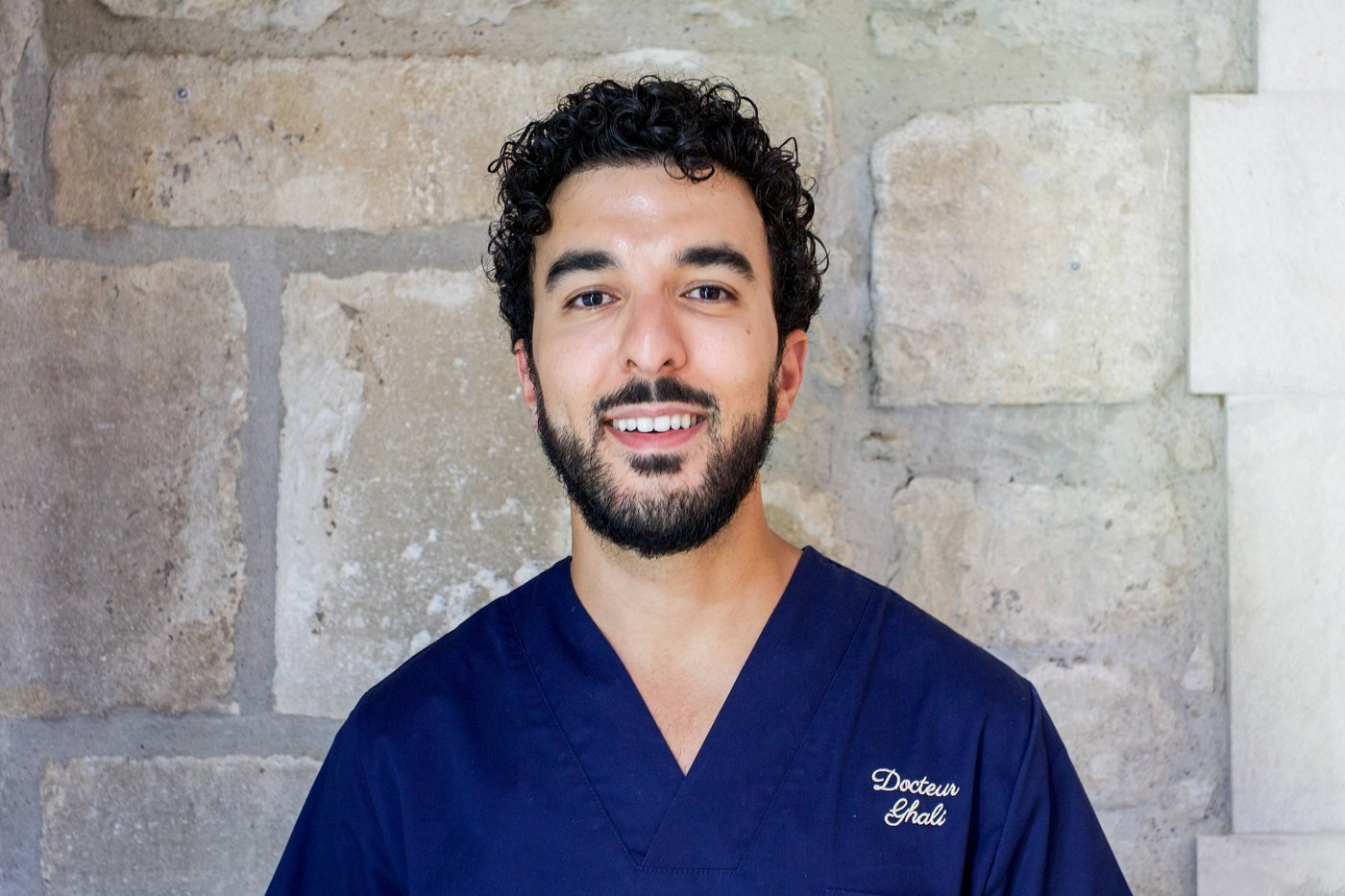
Aesthetic medicine and laser — Saint-Rémy-de-Provence. Registered with the French Medical Council (Ordre des médecins).
Page last reviewed 8 September 2026.
Related treatments
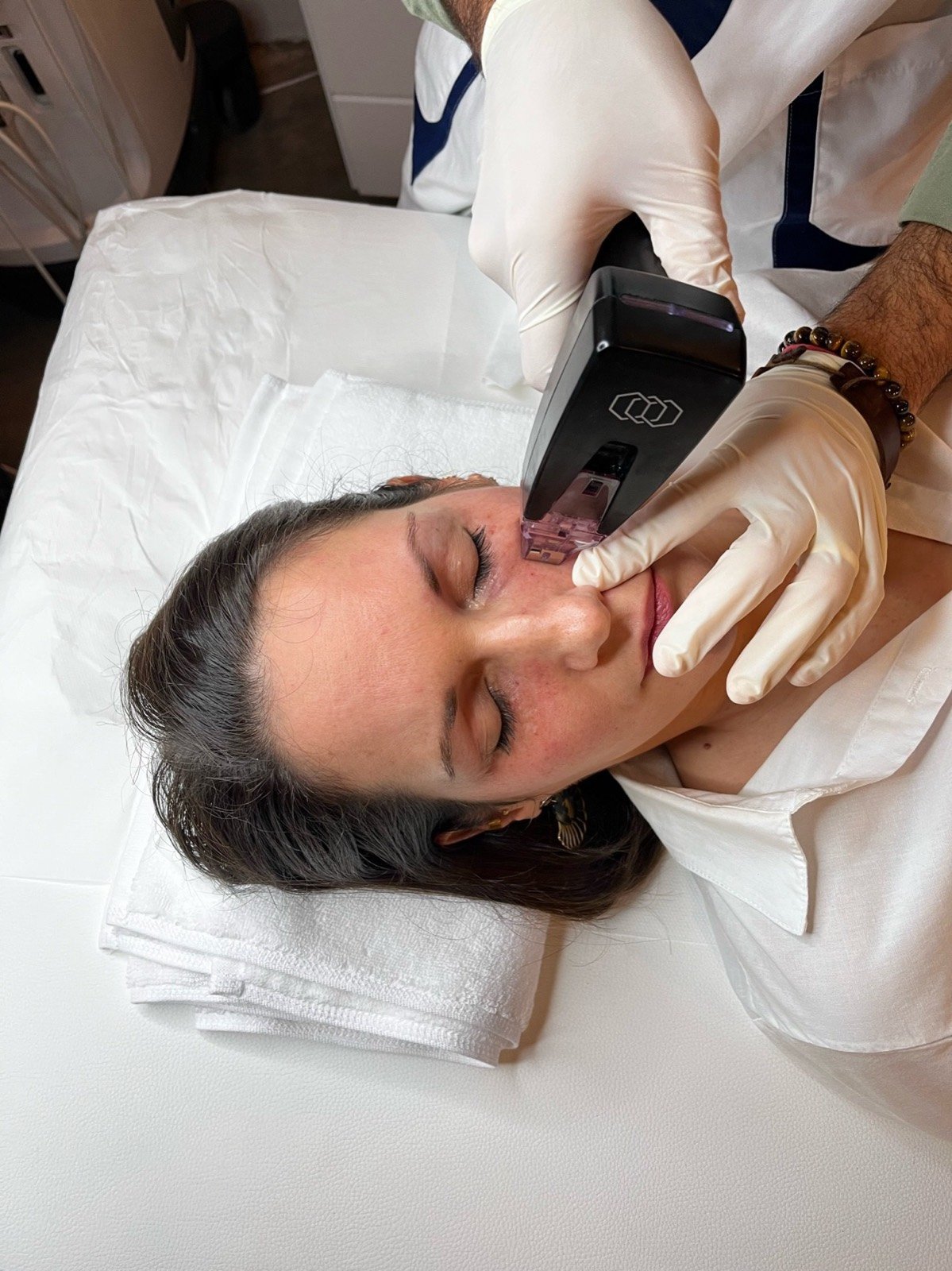

Finding out what is behind your hair loss.
The consultation is where we examine your skin, make sure nothing rules the treatment out, and tell you whether this technique is the right answer to what you are asking for.