Welcome to the world of aesthetic medicine, a fascinating field for improving your appearance. Here are clear, simple answers to the questions we are asked most often:
Aesthetic medicine: face and body
What is aesthetic medicine? It is a set of treatments that enhance your appearance without surgery. That means injections, lasers, and a good deal more.
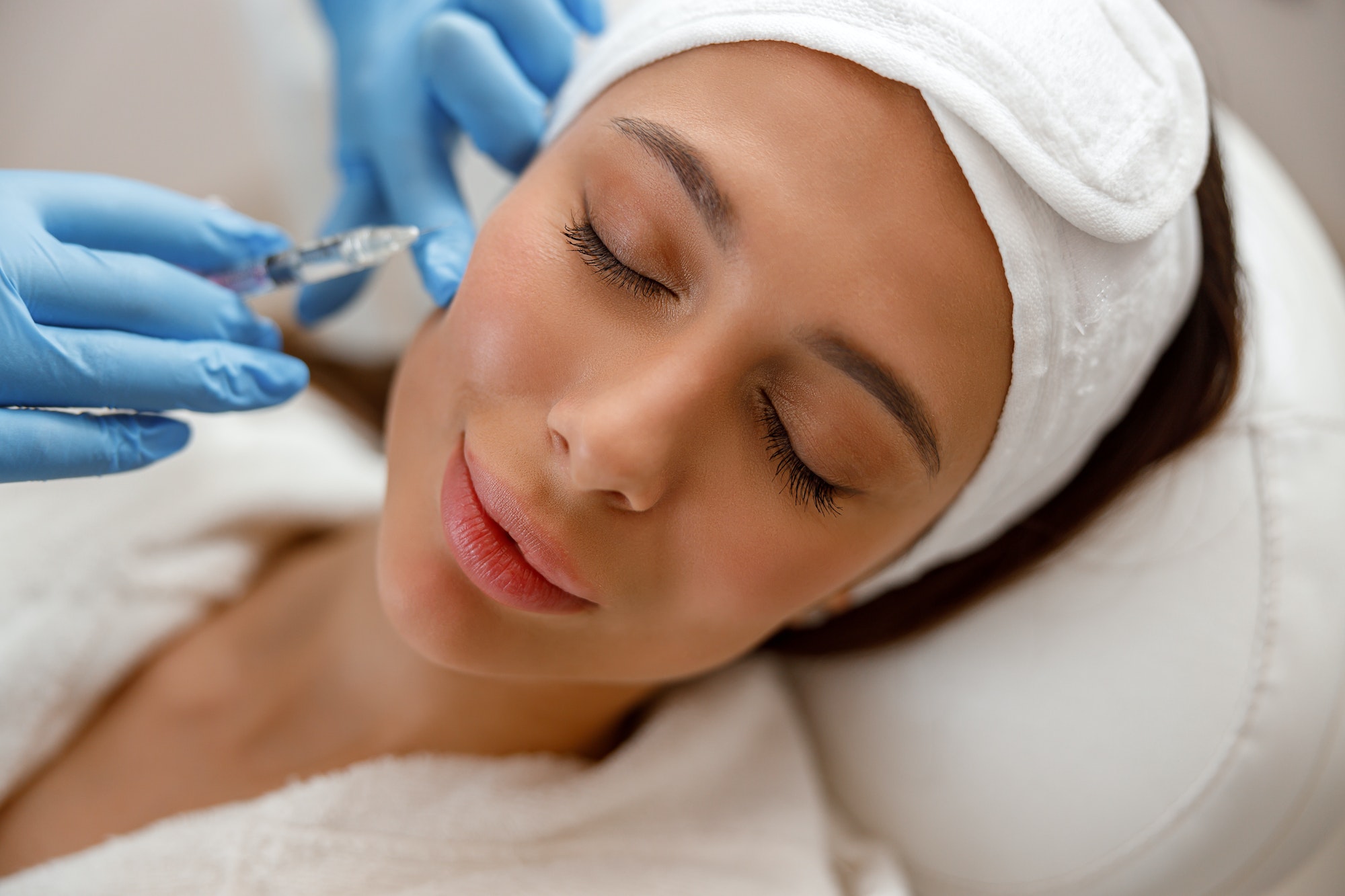
Which treatments are popular? Hyaluronic acid injections to restore volume, anti-wrinkle injections, the CO2 laser for the skin, permanent laser hair removal, laser tattoo removal, and even cryolipolysis to say goodbye to small pockets of fat.
How does it differ from surgery? Here there is usually no scalpel. We avoid major procedures in favour of gentler methods, such as injections.
How long do hyaluronic acid results last? They are temporary, but they hold for a good while (between 6 and 12 months). You simply need to plan periodic touch-ups.
Do anti-wrinkle injections leave you looking frozen? No — rest assured. Correctly dosed, they soften the lines just enough, for a natural look.
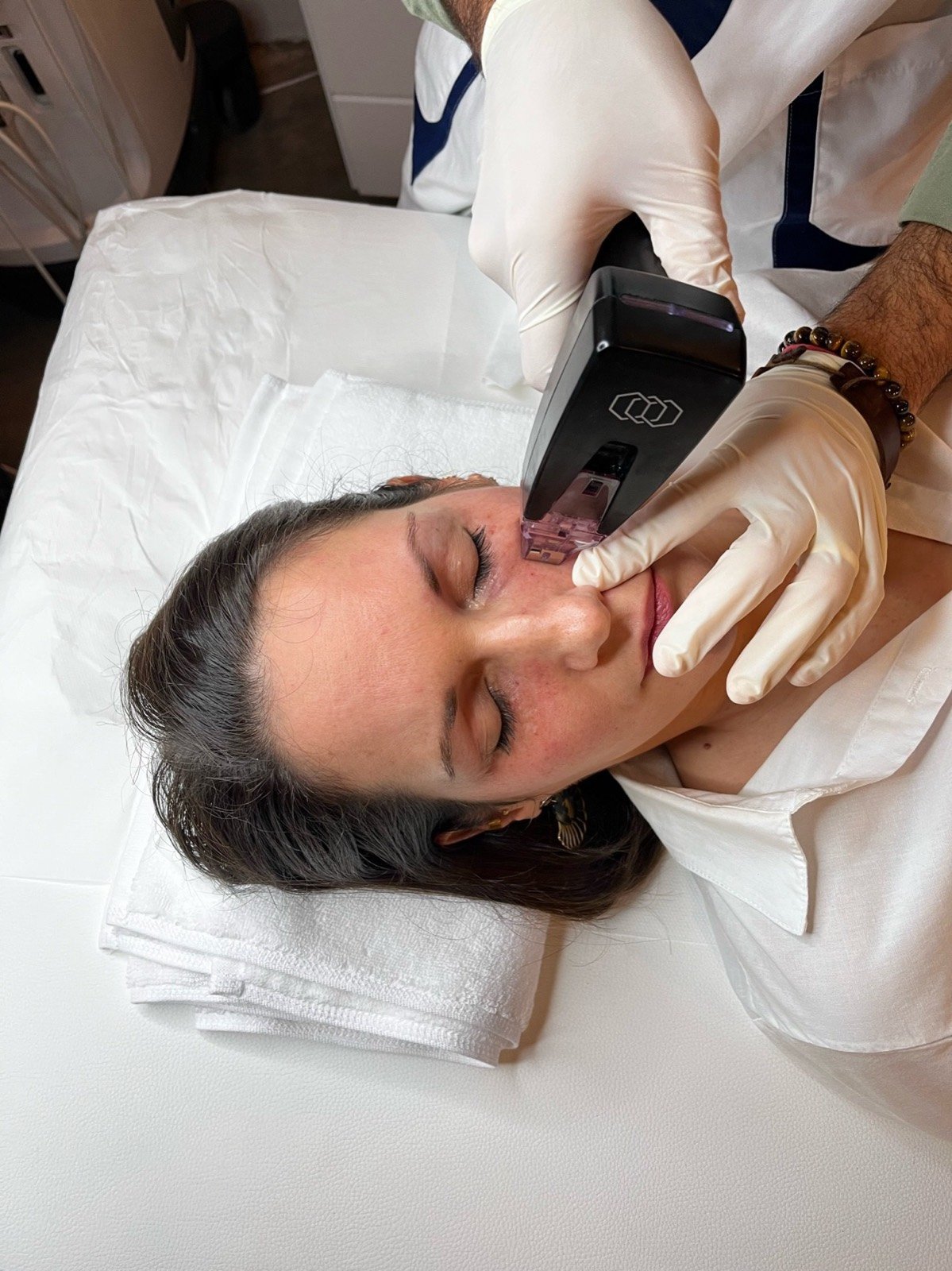
What is the CO2 laser for? It acts on wrinkles, scars and stretch marks, and stimulates collagen.
Does laser hair removal hurt? No. Modern lasers have ways of making it fairly comfortable.
How does the tattoo removal laser work? It sends out light that breaks up the tattoo pigments. Your body then clears them on its own.
What is cryolipolysis? The area is cooled, and the fat cells disappear naturally.
Who is a peel for? It is a fresh start for the skin: a solution is applied that leaves it smoother and brighter for months.
That gives you the essentials. Come and see us at the centre to review what suits your own situation.
Discover the fascinating world of aesthetic medicine, where innovative solutions can improve your appearance. Let us look at specific areas of the face, neck, décolleté and hands, with the options available for harmonious rejuvenation:
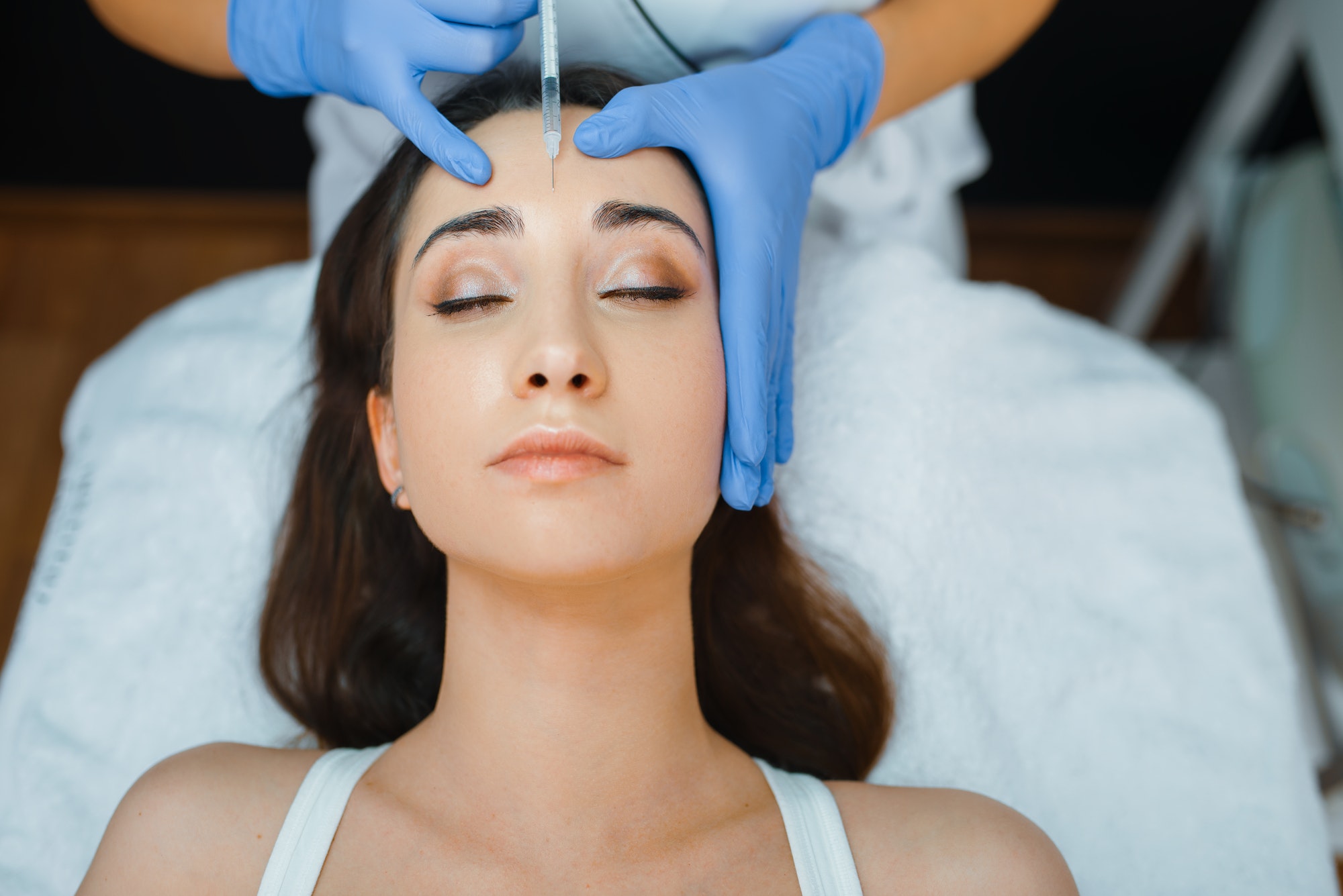
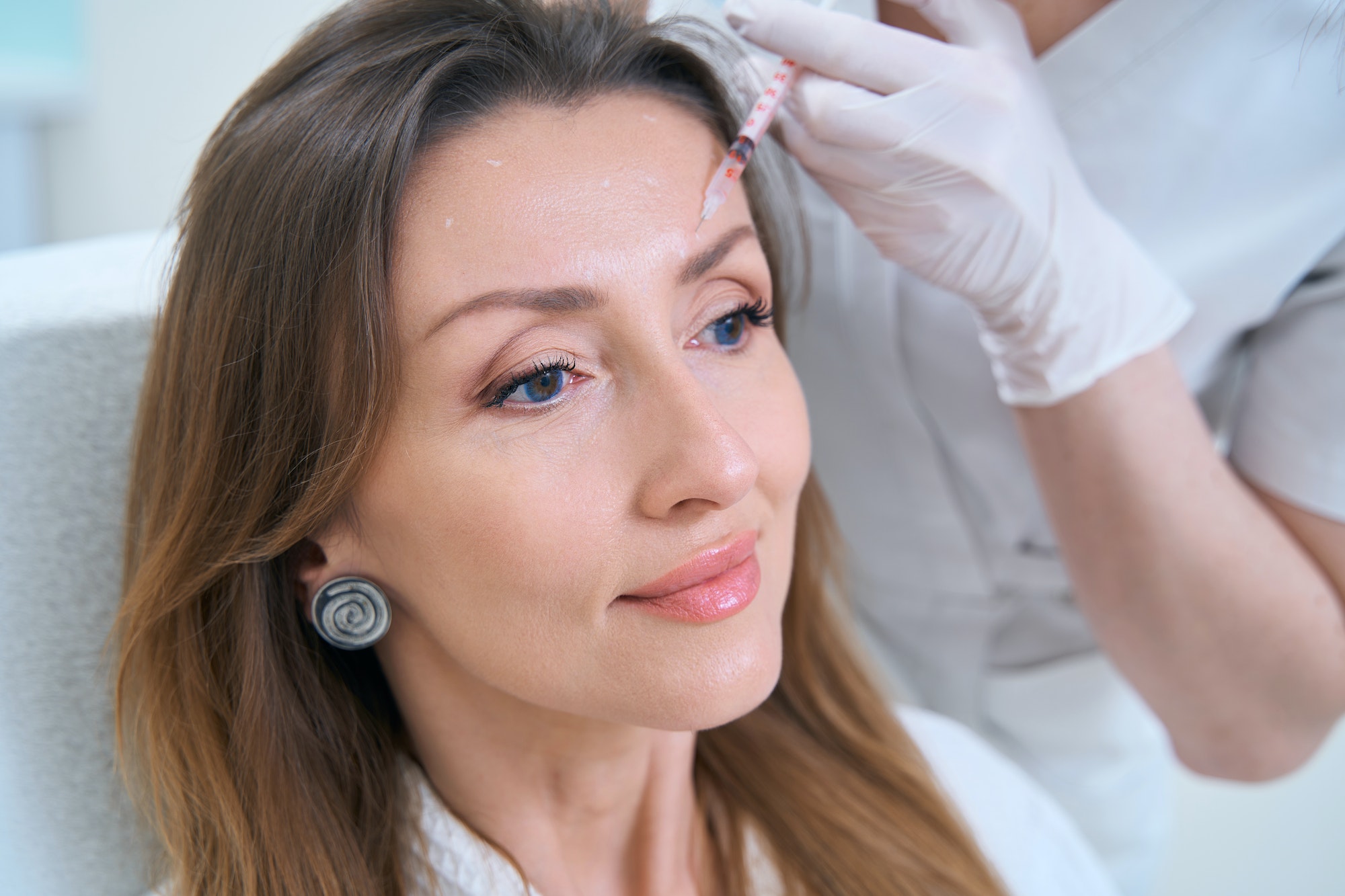
Face – youthful radiance. Forehead lines: to smooth forehead lines, anti-wrinkle injections are the preferred choice, for a soft and natural result.
Dark circles and under-eye hollows: hyaluronic acid offers a way to soften dark circles and restore vitality under the eyes.
Cheekbones: hyaluronic acid injections restore volume to the cheekbones, creating defined contours and a youthful appearance.
Nasolabial folds: hyaluronic acid injections fill the nasolabial folds, softening the deep lines between the nose and the mouth.
The nose: hyaluronic acid injections can correct minor irregularities of the nose, avoiding surgery.
Lips, mouth and marionette lines: hyaluronic acid injections restore volume to the lips, smooth the lines around the mouth and soften marionette lines.
Jawline: hyaluronic acid injections can restore definition to the jawline by giving volume back to the areas that have sagged.
Neck and décolleté – gentle rejuvenation. Skin laxity: CO2 laser treatments stimulate collagen production, improving the elasticity of the skin on the neck and décolleté.
Brown spots – melasma: the CO2 laser can target brown spots and melasma, evening out the complexion.
Redness – couperose – erythrosis: laser treatments can reduce redness, couperose and erythrosis, improving the texture of the skin.
Hands – youth and radiance. Hands: hyaluronic acid injections restore volume to the hands, softening the signs of ageing.
Radiance – adult acne. Radiance: chemical peels can revitalise the complexion by reducing pigment spots and improving the texture of the skin.
Adult acne: various treatments, such as peels or the CO2 laser, can help bring acne under control in adults.
Acne and rosacea/couperose. Acne: laser treatments can reduce the symptoms of acne.
Rosacea/couperose: the laser reduces the redness and the dilated blood vessels seen in couperose and rosacea.
These treatments offer a wide and complementary range of possibilities. Let us talk about your own situation in consultation. Each area deserves its own attention, for rejuvenation that is both overall and harmonious.
Patients often ask which treatments can reduce the signs of skin ageing. These may include anti-wrinkle injections, fillers such as hyaluronic acid, laser treatments such as the CO2 laser, or other procedures.
All aesthetic treatments carry some risk, although serious complications are rare. Possible side effects include bruising, temporary swelling and, in rare cases, allergic reactions. It is essential to go through your full medical history with the aesthetic physician in order to keep the potential risks to a minimum.
How long results last depends on the type of treatment. Anti-wrinkle injections generally last around 6 months, while fillers such as hyaluronic acid can give results from 6 months to 18 months, depending on the product or the method used. Results vary from one person to another.
Before any aesthetic treatment, it is essential to go through your full medical history with the practitioner. Contraindications may include known allergies, active infections, or specific medical conditions. Precautions such as stopping certain medicines or limiting sun exposure may also be recommended.
Two techniques are commonly used to treat lines around the mouth: the CO2 laser and hyaluronic acid injection.
Two techniques are commonly used to treat forehead lines: the CO2 laser and anti-wrinkle injections.
The techniques used against brown spots on the face are: the CO2 laser, the tattoo removal laser, peels, and lastly certain creams.
For acne scars, the CO2 laser and the Erbium laser of the face are the techniques most often used. Other techniques exist: The peel Peels using fruit acids, such as glycolic or salicylic acid, can give promising results on the red pigmented marks left by acne. The method works particularly well to restore radiance to the complexion and, where relevant, to tighten the pores. Dermabrasion Dermabrasion acts as a mechanical micro-sanding of the skin, removing its most superficial layer in order to stimulate regeneration of the epidermis. It is carried out under local or general anaesthesia, and the results are visible after a week. Sun exposure must be avoided for at least two months after dermabrasion. Depigmenting creams Depigmenting creams are designed specifically to treat brown spots. A word about lasers When a laser approach is recommended, the technique depends on the type of scar: The vascular laser (LED, Q-Switched) is indicated for red pigmented marks that are level with the skin. The fractional laser (Erbium, ablative or non-ablative CO2) corrects wide, shallow depressed scars over several sessions. The ablative laser (CO2, Erbium) is used for raised, cord-like scars. The method involves burning the skin under anaesthesia to stimulate renewal of the skin tissue and smooth its surface. A period of at least one week of redness is usual. Needling, or micro-needling Needling, or micro-needling, uses an electric pen fitted with micro-needles to create perforations of varying depth in the areas to be treated, encouraging the skin to heal. Hyaluronic acid injections Hyaluronic acid injections can be enough to fill shallow depressed acne scars (known as atrophic scars), which are the most common. Surgery Surgery is reserved for deep, narrow scars and requires at least one week away from social life. It must be followed by laser sessions to perfect the surface of the skin. Corticosteroid injection Corticosteroid injection is effective on raised keloid scars, reducing their volume before they are smoothed with an ablative laser.
As a rule, one to two syringes of hyaluronic acid are needed to fill the folds.
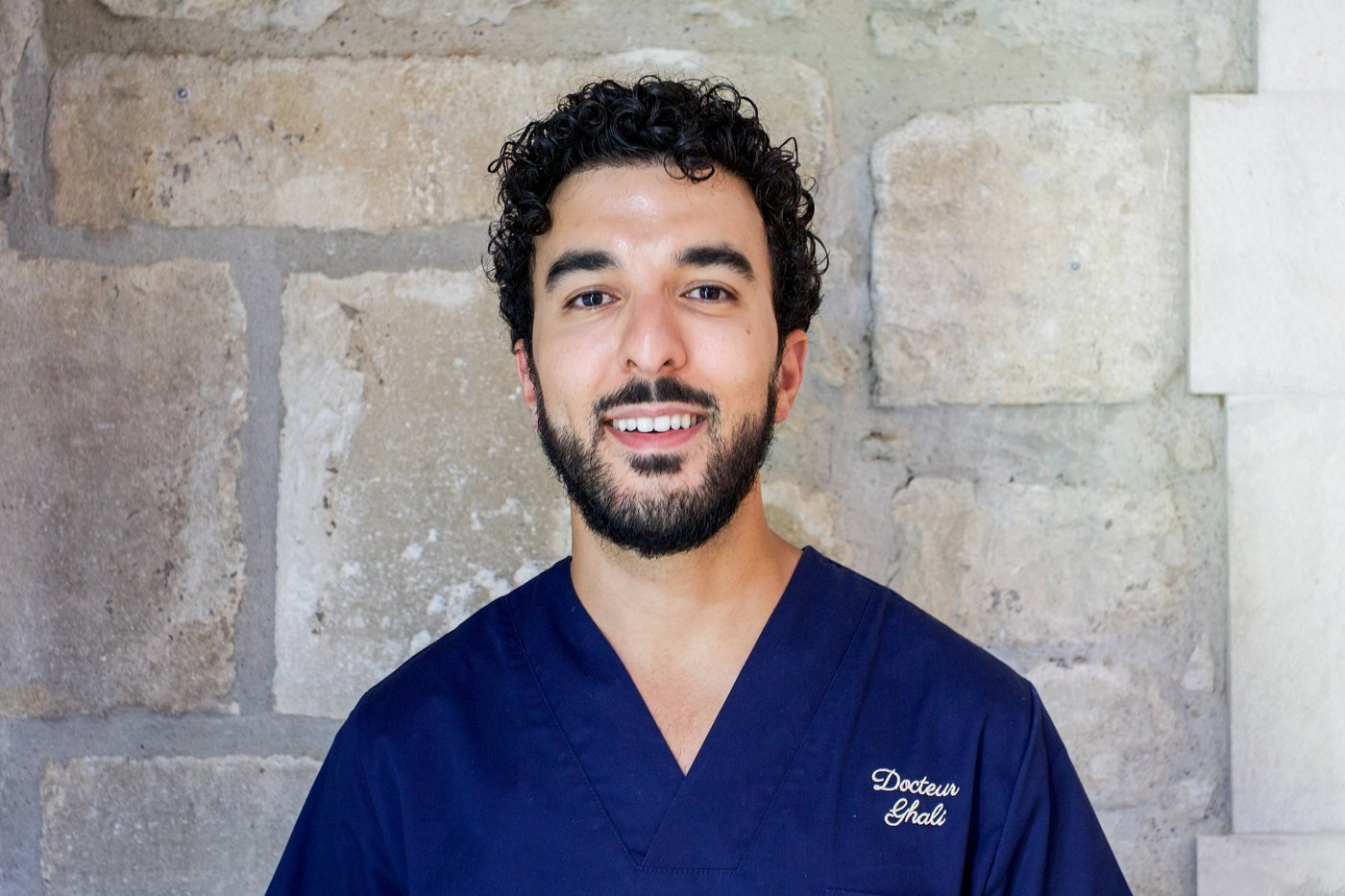
Aesthetic and laser medicine — Saint-Rémy-de-Provence. Registered with the French Medical Council.
Page reviewed on 15 September 2026.
The consultation is there to examine your situation, check that there is no contraindication, and tell you whether these techniques are the right answer to what you are asking for.